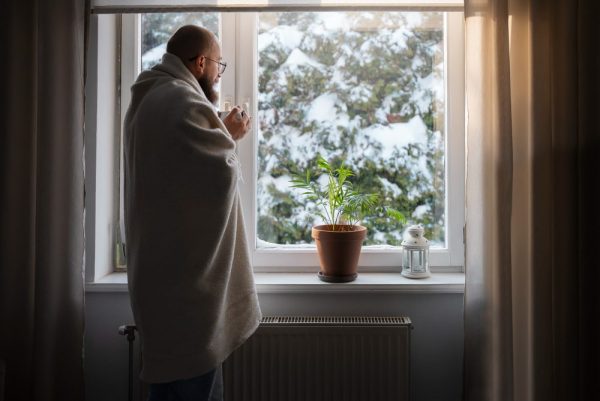

The thermostat may show the same temperature, yet the room feels colder. This leads to the belief that older houses somehow generate cold, even when heated properly.
In practical terms, older houses often feel colder because they lose heat more easily. Construction standards have changed dramatically over time. Many older homes were built before modern insulation materials, airtight windows, and thermal barriers were widely used. Heat escapes through walls, ceilings, floors, and especially through single-pane windows much faster than in newer buildings.
A common misconception is that the air itself is colder. In reality, the air temperature may be similar to that of a newer house, but the surfaces around you are colder. Walls, floors, and windows that lose heat quickly remain cool to the touch. The human body constantly exchanges heat with nearby surfaces through radiation. When those surfaces are cold, your body loses heat faster, making the room feel colder even if the air temperature is technically adequate.
Drafts also play a role. Older houses often have small gaps around doors, windows, and structural joints. These allow cold air to enter and warm air to escape. Even gentle air movement can increase heat loss from the body, creating discomfort without a dramatic temperature drop.
What actually matters in daily life is not just heating, but heat retention. Newer homes are designed to keep heat where it belongs. Older homes often require more energy to maintain the same level of comfort, not because they are fundamentally colder, but because they struggle to hold onto warmth.
A lesser-known factor is humidity. Warmer air can hold more moisture, and slightly humid air feels warmer to the skin. Older homes in winter often have very dry air due to heat loss and ventilation gaps. Dry air increases evaporation from the skin, which enhances the sensation of cold.
So yes, older houses often feel colder, but not because they are cursed by age. The sensation comes from physics, materials, and design choices that were normal at the time they were built.