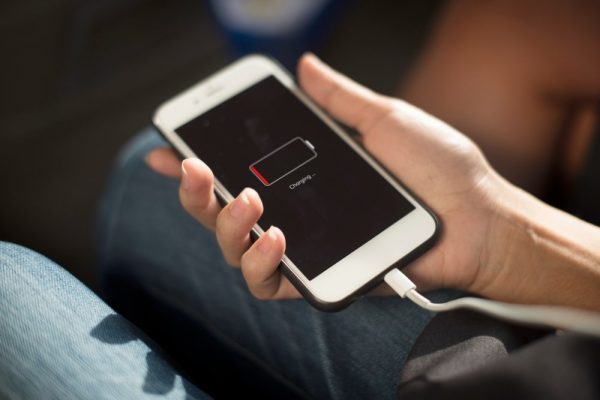

This question comes up the moment someone picks up their phone after leaving it untouched and notices the battery percentage has dropped. It feels almost unfair, as if energy is disappearing for no reason. The expectation is simple: if the phone is not being used, the battery should stay the same. When it does not, people naturally assume something is wrong.
The truth is that a phone is never completely inactive unless it is powered off. Even when the screen is dark and the device is sitting on a table, many internal processes continue to run. Modern smartphones are designed to stay connected at all times. They maintain a link to cellular networks, Wi-Fi routers, and sometimes Bluetooth devices. This constant readiness consumes small amounts of power, but over hours it becomes noticeable.
Background tasks are another factor. Phones regularly check for messages, app updates, and system notifications. Even if no new information arrives, the act of checking requires energy. Operating systems try to manage this efficiently, but they cannot eliminate it entirely. Some apps are more demanding than others, especially those that track location, sync data, or refresh content in the background.
Battery chemistry also plays a role. Lithium-ion batteries naturally lose charge over time, even when not actively supplying power. This phenomenon, known as self-discharge, is relatively slow but unavoidable. Temperature affects it as well. Heat accelerates chemical reactions inside the battery, which can increase the rate of energy loss. Leaving a phone in a warm environment can make the battery drop faster, even if the device is idle.
Signal strength is an often-overlooked contributor. When a phone struggles to maintain a connection, such as in areas with weak reception, it uses more power trying to stay connected. This can happen silently, without any visible signs. A phone left overnight in a place with poor signal may lose more battery than one left in an area with stable coverage.
Battery percentage itself can be misleading. The number shown on the screen is an estimate, not a direct measurement. Phones calculate remaining charge based on voltage and usage patterns. Small fluctuations can cause the percentage to drop suddenly, giving the impression of rapid loss even when the actual energy change is minor.
Over time, batteries degrade. As they age, they hold less charge and their behavior becomes less predictable. A newer phone may lose only a few percent overnight, while an older one might lose much more under the same conditions. This does not always mean something is broken; it often reflects normal wear.
Understanding that phones are designed to be quietly active helps explain why battery loss happens even when nothing appears to be going on. It is less about wasted energy and more about maintaining constant readiness.