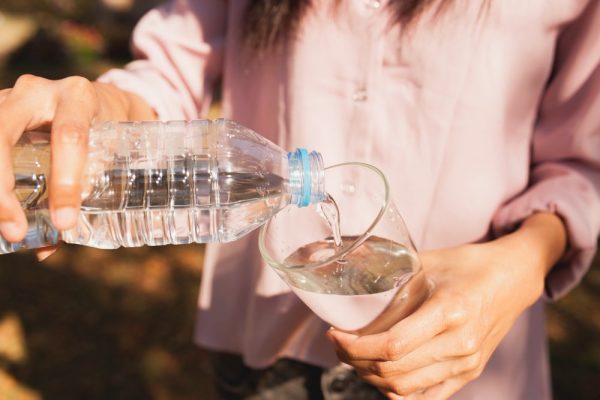

People ask this question because bottled water feels like the safer, purer option. The bottle is sealed, branded, and often marketed with words like “spring,” “mountain,” or “pure,” which naturally suggests higher quality. Tap water, on the other hand, comes from pipes we never see and systems we rarely think about. That contrast alone is enough to make many people suspicious, even before facts enter the picture.
In reality, “cleaner” depends less on whether water comes in a bottle or a tap and more on how it is sourced, treated, and regulated. In many developed countries, tap water is among the most heavily tested food products available. Municipal water supplies are required to meet strict safety standards and are monitored continuously for bacteria, heavy metals, and chemical contaminants. If a problem is detected, authorities are obligated to act and inform the public. Bottled water does not always operate under the same level of scrutiny. In many regions, it is regulated more like a packaged food than a public utility, which can mean less frequent testing and more variability between brands.
Another common assumption is that bottled water always comes from pristine natural springs. In practice, a large portion of bottled water is sourced from municipal supplies, filtered, and then packaged. This does not automatically make it worse, but it does challenge the idea that bottled water is inherently different from tap water. The treatment methods used for bottled water vary widely. Some brands use advanced filtration processes, while others rely on minimal treatment because the source water already meets safety requirements. The label rarely tells the full story in a way most people can easily interpret.
Taste plays a big role in shaping perception. Tap water often contains small amounts of minerals and disinfectants, such as chlorine, which can give it a noticeable flavor or smell. Bottled water is usually treated to produce a neutral taste, which people associate with cleanliness. This sensory difference can be misleading. A lack of taste does not necessarily mean water is safer or purer. In fact, the minerals found in tap water are generally harmless and sometimes beneficial, while overly purified water can be almost mineral-free.
Storage is another overlooked factor. Bottled water can sit for months or even years in warehouses, trucks, and store shelves. Heat and sunlight can slowly affect plastic bottles, potentially causing small amounts of chemicals to leach into the water. Tap water travels through pipes, but it is typically consumed quickly after treatment. While modern plumbing systems are designed to be safe, older buildings with aging pipes can introduce issues like lead contamination. This is one of the few scenarios where bottled water may genuinely be the safer short-term choice, but it is a local infrastructure problem rather than a universal rule.
Environmental impact often enters the conversation, even if indirectly. Producing, transporting, and disposing of plastic bottles consumes energy and creates waste. While this does not directly determine whether water is cleaner, it does influence how people feel about their choice. Some assume that something sold at a higher price and packaged more elaborately must be better. In practice, price often reflects convenience and marketing rather than superior quality.
Filtration at home adds another layer. Many people install simple filters on their taps to improve taste and remove specific contaminants. In areas with reliable water systems, this often results in water that is equal to or better than most bottled options. The key is understanding local water quality reports, which are publicly available in many places but rarely read.
The idea that bottled water is always cleaner than tap water is largely a product of perception rather than evidence. There are situations where bottled water is useful or necessary, such as during emergencies or in regions with unsafe infrastructure. Outside of those cases, the difference is usually smaller than people expect.
Why people ask this?
People often ask this because bottled water feels like a modern upgrade over something old and invisible. The question persists because marketing, taste, and trust play a bigger role than actual differences in cleanliness.