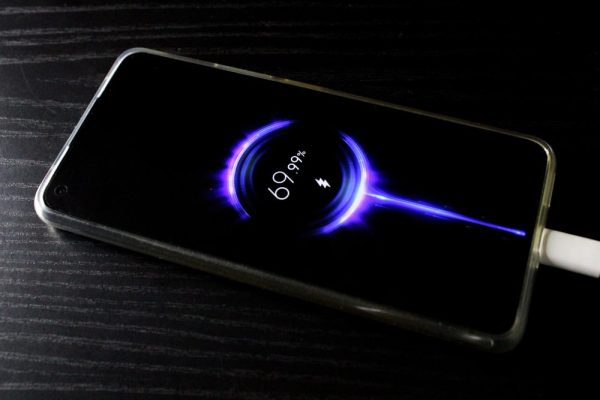

This is one of the most common questions about smartphone care, usually passed along as advice from friends or warnings online. The concern is simple: leaving a phone plugged in for hours must damage the battery. Stories of overheating, reduced lifespan, or even safety risks make the idea feel plausible, especially when charging happens while we sleep and cannot monitor it.
Modern smartphones are designed with this exact scenario in mind. Charging systems today are far more sophisticated than they used to be. When a phone reaches full charge, it does not simply keep pumping energy into the battery. Instead, it slows down or stops charging and switches to maintaining the charge level. This prevents the kind of overcharging that was a real problem with older battery technologies.
Lithium-ion batteries prefer to operate within certain ranges, and phone manufacturers design software and hardware to protect them. Charging overnight typically means the phone reaches full charge, pauses, and occasionally tops itself up as the battery naturally drops slightly. This process is gentle and controlled. It does not count as continuous heavy charging.
Heat is the real enemy of battery health, not time spent plugged in. If a phone overheats while charging, that can accelerate battery wear. This is why charging under pillows, blankets, or in very warm environments is discouraged. The issue is not the duration of charging, but the inability for heat to dissipate properly.
Battery longevity is influenced more by charging habits over months and years than by any single night. Regularly draining a battery to zero or keeping it at 100 percent for extended periods can contribute to gradual wear. Some phones now use adaptive charging, learning a user’s routine to delay reaching full charge until just before the phone is typically unplugged in the morning. This shows that manufacturers acknowledge the subtle effects of charging patterns, but also that overnight charging itself is expected behavior.
Safety concerns are understandable but rare. Modern chargers and phones include multiple layers of protection against electrical faults. Using certified chargers and cables greatly reduces risk. Most incidents associated with charging come from damaged cables, counterfeit accessories, or extreme conditions, not from the simple act of leaving a phone plugged in overnight.
For most people, the convenience of waking up to a fully charged phone outweighs the minimal impact on battery lifespan. The difference between overnight charging and more controlled routines is usually measured in months over several years of use, not in dramatic failures.